

Screen time, or the amount of time spent looking at digital screens like smartphones, tablets, televisions, and computers, can be a part of family life without the guilt. With screens now woven into nearly every aspect of daily life, it’s more common than ever for kids to spend significant time on digital devices.
But parents can take steps to ensure screen time is used wisely. Jovie of Richmond has age-specific strategies to balance digital time for toddlers and school-aged kids. Learn how to use screens for learning, incorporate screen-free moments, and develop habits that encourage creativity and play.
How Screen Time for Kids and Toddlers Pairs with Sensory Play
For toddlers, screens can be a mesmerizing tool, often giving parents those precious few minutes to handle unexpected tasks or catch a quick breath. However, at this young age, the goal is to ensure that kids’ screen time is beneficial and balanced by enriching activities.
Toddlers are naturally curious and thrive on sensory experiences. Consider interactive apps designed specifically for their age group, offering bright colors, shapes, and sounds that are not only entertaining but educational, too. Look for apps that encourage sorting, matching, or identifying different animals and their sounds. These should be used sparingly, complementing more hands-on activities like building with blocks, exploring sensory bins filled with safe household items, or engaging in simple painting projects.
To create a healthy routine, incorporate predictable, screen-free times into your toddler’s day. Mealtimes and the window before sleep can be ideal for this. During these periods, engage them with picture books or involve them in simple chores where they feel like they’re helping. Involve them in laundry by asking them to sort clothes by color, or play “chef” with plastic fruit in their pretend kitchen.
When venturing outside, Richmond’s downtown offers plenty of opportunities for screen-free exploration. Visit local parks where your toddler can run freely, enjoy the swings, or participate in toddler-friendly workshops at the local library. These excursions can stimulate their imagination and promote physical movement, which is vital for their development.
Remember, the essence of balancing screen time for kids at this stage is to offer varied forms of stimulation. It’s about ensuring they experience the world holistically, engaging all their senses. It’s important to remember that less screen time means more time for natural curiosity and personal growth.
Purposeful Media Helps Preschoolers Build Digital Literacy Skills
Preschoolers and kindergartners can often be more challenging when it comes to screen management because they are more independent. They have better motor skills and can navigate devices on their own, making it crucial to guide how they spend their screen time.
At this age, screens can be effective learning tools. Educational games and videos enhance literacy and numeracy and even introduce basic scientific concepts. However, make sure the content is age-appropriate and engaging. Choose games that encourage creativity, such as those allowing children to design virtual art, solve puzzles, or construct digital worlds. TV shows that teach problem-solving and teamwork can be excellent choices.
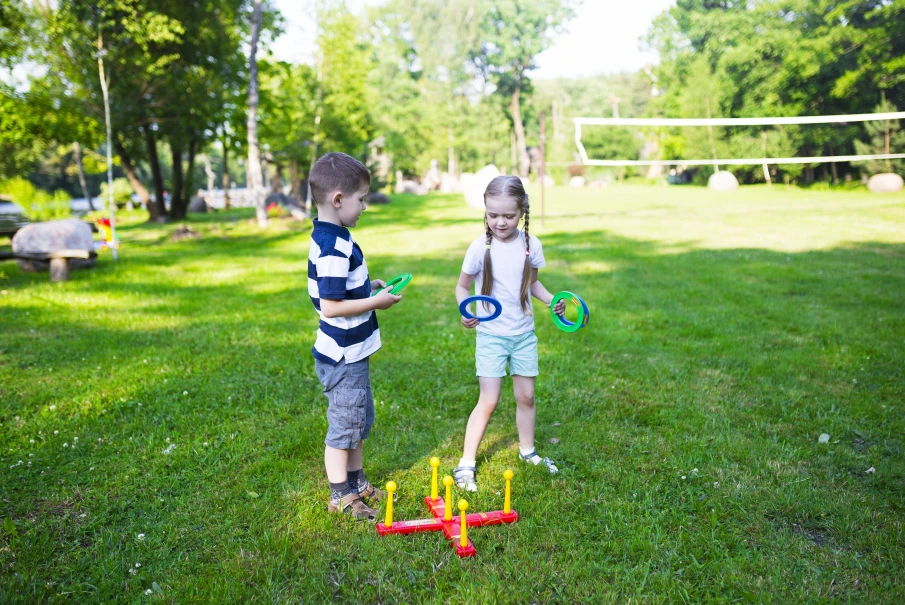
Screen-free moments should still be prioritized. Preschoolers benefit greatly from imaginative play that involves physical and mental engagement. Encourage playing dress-up, role-playing games, or constructing items with LEGO bricks. You can also introduce props like a simple sandbox or water table in your backyard to foster sensory play. Remember to set specific times of day when screens are completely off-limits, such as during family dinners or the hour before bedtime, to establish a routine of winding down without screens.
Exploring downtown Richmond can also serve as an enriching, screen-free adventure. The city’s museums often feature interactive exhibits perfect for inquisitive young minds, while events such as children’s story hours or craft workshops offer hands-on learning experiences that can’t be found on a screen.
Moreover, involve them in decision-making about their activities. Offer choices between different play options to foster a sense of autonomy and responsibility. Engage them in discussions about their screen use, teach them the importance of moderation, and offer guidance on selecting quality content independently. Developing these skills can guide your children toward healthier digital habits.
How Healthy Screen Time for Kids Keeps School-Age Children Engaged
As children grow into school age, the balance of screen time for kids becomes more nuanced and vital. At this stage, technology is an integral part of their learning environment, both for education and social interaction.
Educational apps and online resources are excellent for expanding their knowledge base and aiding in school projects. Encourage your child to use technology to research topics of interest or communicate with classmates about school assignments. However, it’s crucial to guide them in setting boundaries, such as ensuring homework is completed before they engage in leisure screen time and monitoring whether they choose educational or entertainment platforms.
Create designated screen-free zones or routines at home to promote off-screen time. For instance, you might have a family rule where all screens are off during evening meals, ensuring these times become rich moments for family discussions and storytelling. Encourage activities such as reading chapter books together, playing family board games, or using crafting kits to foster creativity and enhance problem-solving skills.
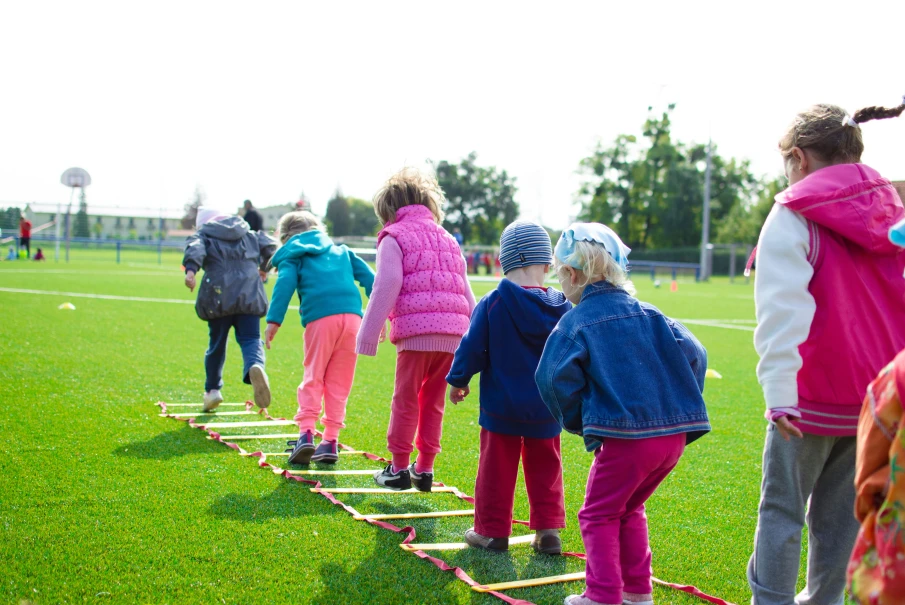
Richmond’s vibrant downtown community offers ample opportunities for school-age kids to engage in screen-free activities. Participate in historical tours, nature trails, or join a local sports team, all of which promote not only physical well-being but also community involvement. Exploring these activities can help balance the sedentary aspects of screen time.
Teach school-aged kids about their digital footprint. Help them understand what is safe to share online and the importance of privacy. Encouraging them to think critically about online interactions will help them navigate the digital world responsibly and prepare them for an increasingly connected future. Additionally, discuss the importance of digital etiquette and kindness in online interactions, reinforcing lessons they can apply to the real world.
Create Screen-Free Routines with Jovie of Richmond
Balancing screen time for kids involves more than just limiting digital devices; it’s about enriching kids’ lives with diverse activities and learning experiences. While screens offer valuable educational opportunities, nothing replaces the experiences gained from creative play and face-to-face interactions.
We know it’s hard to manage screen time while juggling work, errands, and day-to-day responsibilities. Sometimes, parents need extra support. Jovie’s nannies and babysitters can step in to help, keeping kids engaged with age-appropriate games and activities that go beyond screens. Our caregivers are thoroughly vetted and professionally trained, so you can have peace of mind knowing your kids are in caring hands while you’re away. Connect with Jovie of Richmond today to find a trusted nanny or sitter ready to help your kids have a great time—no screens in sight!