

Family life in St. Augustine can get pretty hectic with school drop-offs, work commitments, and extracurricular activities jam-packed into one schedule. All these can make finding serene moments seem impossible. Yet, introducing mindfulness practices into daily routines can help families find calm in the chaos.
Mindfulness, the practice of intentionally observing the present moment without judgment, helps make busy times calmer and more enjoyable. Mindfulness is not about meditating silently for long stretches; rather, it’s about taking small moments to be present and aware of your surroundings.
But how do you choose the right mindfulness practices for your family? Knowing which approaches work best for your family while steering clear of practices that don’t align with your values or schedule is essential. Jovie of St. Augustine has practical mindfulness tools that help families slow down, connect, and live more intentionally.
How Mindfulness for St. Augustine Families Fits Effortlessly Into Busy Moments
Collective Deep Breathing Calms Meals and Emotional Transitions
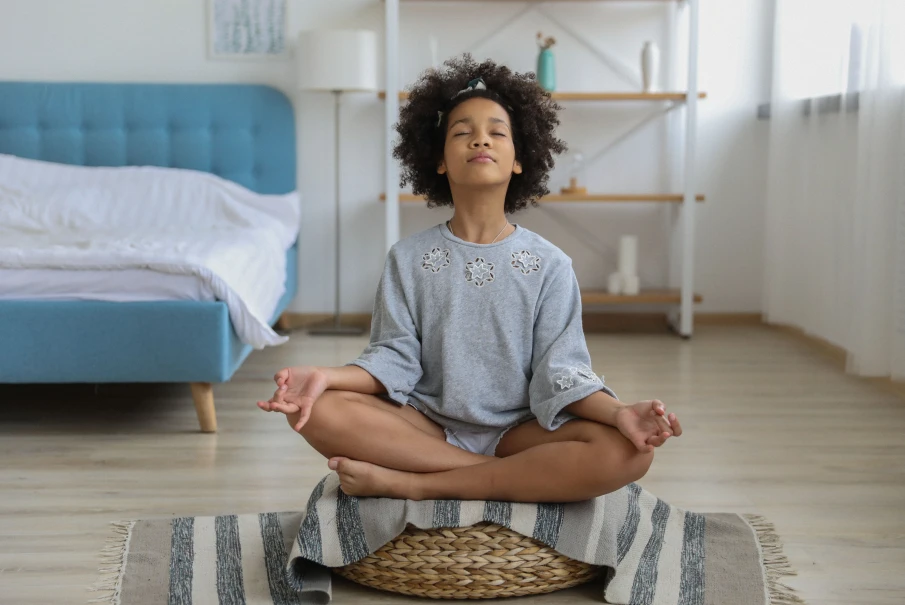
One of the simplest and most effective ways to start a family mindfulness practice is through deep breathing. Consider introducing deep breathing exercises to your routine. Encourage everyone to take three deep breaths together. You can make it more engaging for younger kids by asking them to imagine they’re smelling flowers while inhaling and blowing out birthday candles when exhaling.
To build this into your day, try starting every meal with a round of deep breathing. This technique can help everyone relax and prepare to enjoy meals together. You can also use deep breathing as a tool when transitioning from outdoor play to quieter indoor activities. If emotions run high after a busy day in St. Augustine, encourage your family to breathe deeply together while sharing what they enjoyed about their day. If this practice seems forced or causes stress, consider trying a different practice; mindfulness should never feel like another chore but should be serene and enjoyable.
Flexible Five-Senses Check-Ins Soothe Waiting Times and Traffic
Help your kids engage their senses by connecting with their surroundings. Ask them to identify five things they see, four things they can feel, three things they hear, two things they smell, and one thing they taste. It’s a quick, versatile practice, perfect for any setting—at the playground, while waiting for a bus, or while winding down after a busy day. However, it’s vital to adapt this to your family’s settings and preferences. If noticing five details feels overwhelming, limit the task to only the senses that feel immediate and relevant.
This exercise can be particularly soothing in unpredictable situations, such as waiting at the doctor’s office or sitting in downtown St. Augustine traffic. Try turning it into a game: “How many red cars do you see?” or “Can you hear the sound of birds?” The key is to make it enjoyable, with no pressure to remember or analyze everything they describe.
Screen-Free Meals and Mindful Walks Spark Easy Connection
Low-Stress Screen-Free Moments Bring Families Together at Meals
While screens are inevitable, intentionally setting screen-free times is beneficial for practicing family mindfulness. This space might be during meals, when, instead of each person focusing on their devices, they share thoughts about their day or what they’re grateful for.
Choosing the right time for screen-free moments can greatly impact their success. Consider implementing a no-screen rule during weekday breakfasts to start everyone’s day on the right foot. Opt for storytelling sessions instead, or chat about your upcoming day. On weekends, extend morning screen-free time to enjoy a relaxed breakfast feast together, with everyone helping prepare the meal.
Themed Mindful Walks Turn St. Augustine Outings Into Shared Discovery
Kickstart a family mindfulness practice by transforming regular family walks around your St. Augustine neighborhood into meditative experiences. During your strolls, encourage everyone to notice the colors, sounds, and scents of the surroundings. Engage kids by issuing simple scavenger hunts, like counting different colored cars in the neighborhood or types of flowers. Instead of focusing on distance or speed, prioritize time together.
Incorporate themed walks to bring excitement to the routine. Declare a “sound walk,” where everyone listens for new noises, or an “animal spotting walk,” identifying birds and insects along downtown St. Augustine paths. Inspired by these themes, set a goal to discover something new during each outing to keep things fresh and interesting.
How Gratitude Habits and Calming Bedtime Rituals Reduce Daily Stress
Authentic Gratitude Practices Foster Appreciation Without Forced Positivity
Practicing gratitude together helps everyone recognize the positive aspects of their day. Gather around during dinner or bedtime and ask each family member what they’re thankful for that day—big or small. It could be a sunny day, a tasty treat, or simply nice weather. If this activity ever feels like forced positivity, it might be time to rethink the frequency or setting for this practice.
Try connecting gratitude practice with another activity, like a short walk around your neighborhood before bed. As you stroll, point out things that each person is grateful for, like a favorite swing at the park or a friendly neighbor. At home, create a gratitude jar where family members can drop notes of appreciation throughout the week, then read them together during Sunday dinner.
Calming Transition Corners Help Kids Regain Focus Between Activities
Moving from one activity to another can sometimes be challenging, leading to frustration or heightened emotions, especially for kids. Consider having a short transition routine consisting of deep breaths, a calming song, or a light stretch.
A reassuring routine can be as simple as a “listen and breathe” corner in your St. Augustine home with soft music or nature sounds. Encourage your child to spend a few minutes there to regain composure and focus before embarking on a new task.
Simple Bedtime Rituals Help Children Unwind Peacefully at Night
Before your kids drift off to sleep, use bedtime as a calming way to regularly embed family mindfulness. Have a quiet conversation about the day’s highlights and areas for improvement. Or, read a short story together and follow up with discussion. Remember, if this end-of-day activity becomes a lengthy engagement or disrupts bedtime routines, consider trimming it down.
To truly wind down, establish predictable bedtime rituals, such as soothing baths or gentle massages. Allow your child to choose a favorite calming activity, whether it’s reading, listening to soft music, or quietly envisioning places they love. When establishing these restful activities, prioritize ease and simplicity to nurture a serene environment everyone cherishes.
Support Peaceful Family Routines with Jovie of St. Augustine
Every family is unique, so it’s important to choose mindfulness practices that fit your lifestyle. Simple habits, like daily gratitude, mindful walks, or screen-free moments, can transform family time, bringing calm to even the busiest days.
If life in St. Augustine ever feels overwhelming, reliable in-home care can ease the pressure. Whether you need a full-time nanny, after-school homework help, or a weekend babysitter, our trusted caregivers provide calm, dependable support for every season. Contact Jovie of St. Augustine today to find a nanny or sitter who can help bring ease to your family’s routines!


The Jovie Editorial Team is made up of childcare professionals and writers from across Jovie’s national network. They write about hiring caregivers, juggling schedules, and everything else parents end up figuring out as they go.