
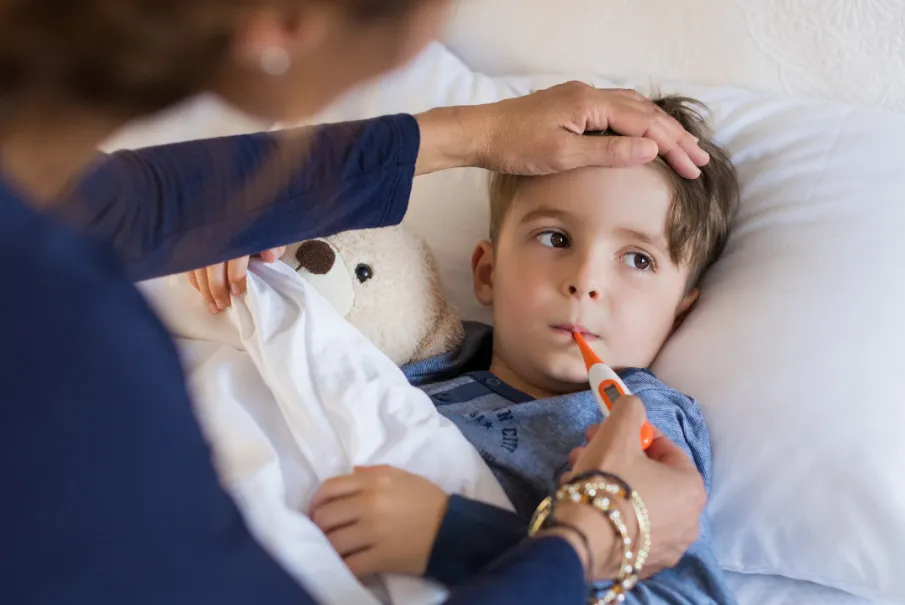
The return to school brings exciting milestones, new routines, and packed family calendars. Unfortunately, it also marks the start of one of the busiest illness seasons of the year.
Research shows that upper respiratory infections rapidly increase after schools reopen, with illness rates peaking approximately two weeks after the start of school. At the same time, children experience increased exposure to viruses as they return to classrooms, sports, activities, and other group settings.
The good news is that families can take practical, evidence-based steps to lower their risk. These fall health tips for families from Dr. Michele Agustin are backed by current research and can help support your household’s health throughout the season.
Why Fall Brings More Back-to-School Illnesses for Children
One reason fall illnesses spread so quickly is that children are exposed to large numbers of viruses in close-contact settings. Research has found that respiratory virus activity surges shortly after school begins, with rhinovirus, the virus most commonly responsible for colds, leading the early fall wave.
Young immune systems are still developing and learning how to respond to new viruses. Combined with busy classrooms, shared surfaces, and indoor activities, this creates an environment where seasonal illnesses can spread quickly.
While getting sick occasionally is a normal part of childhood, establishing healthy habits can help reduce how often illnesses disrupt family life.
Strong Hand Hygiene Helps Reduce Seasonal Illnesses
When it comes to preventing fall illnesses, handwashing delivers some of the biggest returns.
Research shows that regular handwashing and alcohol-based hand sanitizer can reduce respiratory illness symptoms and lower school absenteeism, with the strongest impact among younger children.
Make hand hygiene part of your family’s daily routine by encouraging handwashing:
- Before meals and snacks
- After school or activities
- After using the restroom
- After coughing, sneezing, or blowing noses
- Upon returning home from public places
Consistent habits often matter more than perfection.
Vaccinations Help Protect Families Before Illness Peaks
One of the most effective fall health strategies is staying current on recommended vaccinations.
According to the research referenced by Dr. Agustin, annual flu vaccination significantly reduces the risk of illness and hospitalization in children. Experts recommend vaccination before respiratory virus activity begins to increase later in the season.
Families should talk with their healthcare providers about:
- Annual influenza vaccinations
- Routine childhood immunizations
- RSV protection options for eligible infants
Taking care of preventative appointments early can help protect children during the months when viruses become more widespread.
Better Respiratory Habits Help Limit Germ Spread at Home
Children often learn health habits through repetition and example.
Encouraging kids to cough or sneeze into their elbow, use tissues properly, and wash their hands after respiratory symptoms can help limit the spread of germs throughout the home and classroom.
These small habits become especially valuable when cold and flu activity begins increasing later in the season.
Consistent Routines Help Families Navigate Busy Fall Schedules
The return to school often brings earlier mornings, extracurricular activities, and packed family calendars.
While every family is different, establishing predictable routines can help make the transition into fall smoother. Consistent schedules around bedtime, school preparation, and family responsibilities can reduce stress and make busy weeks feel more manageable.
Consider creating routines for:
- Morning preparation
- Homework time
- Family meals
- Bedtime and wind-down activities
Simple routines can help children understand expectations and adapt more easily to the demands of the school year.
Asthma Prevention Can Reduce Back-to-School Health Emergencies
For families managing childhood asthma, fall preparation is especially important.
Research has linked school reopening with a 46% increase in asthma-related emergency department visits among school-aged children. Experts believe respiratory viruses, environmental exposures, and inconsistent summer medication routines all contribute to this predictable spike.
Before fall routines become hectic, consider:
- Reviewing your child’s asthma action plan
- Confirming medications are current
- Practicing proper inhaler use
- Discussing concerns with your healthcare provider
Planning ahead can help reduce unexpected disruptions during the school year.
Keeping Sick Children Home Helps Protect the Entire Community
One of the simplest ways to reduce illness transmission is to avoid exposing others when symptoms appear.
When children are experiencing contagious symptoms, staying home when appropriate helps limit spread to classmates, teammates, caregivers, and family members. Research supports reducing exposure during active illness periods.
It also gives children valuable time to rest and recover.
A Layered Approach Offers the Best Protection During Fall Illness Season
There is no single solution that can prevent every seasonal illness. Instead, experts recommend combining multiple prevention strategies.
The research highlighted by Dr. Agustin points to several high-impact actions families can take this fall:
- Frequent handwashing
- Recommended vaccinations
- Good respiratory etiquette
- Keeping sick children home when appropriate
- Avoiding tobacco and secondhand smoke exposure
- Proactive asthma management for children with asthma
Together, these strategies can help reduce exposure to common respiratory illnesses that tend to increase after the start of the school year.
How Jovie Helps Families Navigate Sick Days and Schedule Changes
Even with the best prevention strategies, illnesses happen.
When a child is home from school, parents often face the challenge of balancing work responsibilities with unexpected schedule changes. Having a trusted support system in place can help reduce stress when those disruptions occur.
Whether families need occasional babysitter support, a dependable nanny, or flexible care options that fit changing schedules, planning ahead makes it easier to navigate the realities of cold and flu season.
Helping Your Family Stay Healthy This Fall
Fall health tips for families don’t need to be complicated to be effective.
The biggest impact often comes from consistent, evidence-based habits such as washing hands, staying current on recommended vaccinations, practicing good respiratory etiquette, and proactively managing conditions like asthma.
By taking a few preventative steps now, families can spend less time dealing with seasonal illnesses and more time enjoying everything the school year has to offer.
Whether you’re preparing for a busy semester, after-school activities, or the return of cold and flu season, small changes today can help support a healthier fall for the entire family.